

Stretch wrap might seem like a simple packaging material, but selecting the right type can make or break your shipping and storage operations. Whether you’re securing a single pallet or wrapping hundreds of items daily, the wrong choice leads to damaged goods, wasted time, and frustrated customers. Understanding how to choose the best stretch wrap for your specific situation saves money and headaches while protecting your products during transport and storage.
Consider the Load Weight
Heavy loads demand stronger stretch wrap with higher puncture resistance and load-holding power. Standard 80-gauge wrap works well for lightweight items under 1,000 pounds, but heavier pallets require 90-gauge or even 100-gauge film to prevent tearing and load shifting. Pre-stretch capabilities become crucial here. High-quality wrap can stretch up to 300 percent of its original length while maintaining its strength. Companies shipping automotive parts or construction materials often discover that investing in premium-grade wrap actually costs less per load than replacing damaged products wrapped with inadequate film.
Evaluate Load Dimensions
Large, bulky items with irregular shapes need different treatment than standard rectangular pallets. Tall loads exceeding seven feet require extra attention to containment force distribution, while wide loads necessitate wrapping with excellent memory properties to maintain consistent pressure across the entire surface. Various types of stretch wrap film handle these challenges differently—some excel at conforming to irregular shapes, while others provide superior vertical strength for towering loads. Corner protection becomes essential when wrapping sharp-edged items, and choosing a wrap with enhanced tear resistance prevents catastrophic failures during handling.
Determine the Wrapping Method
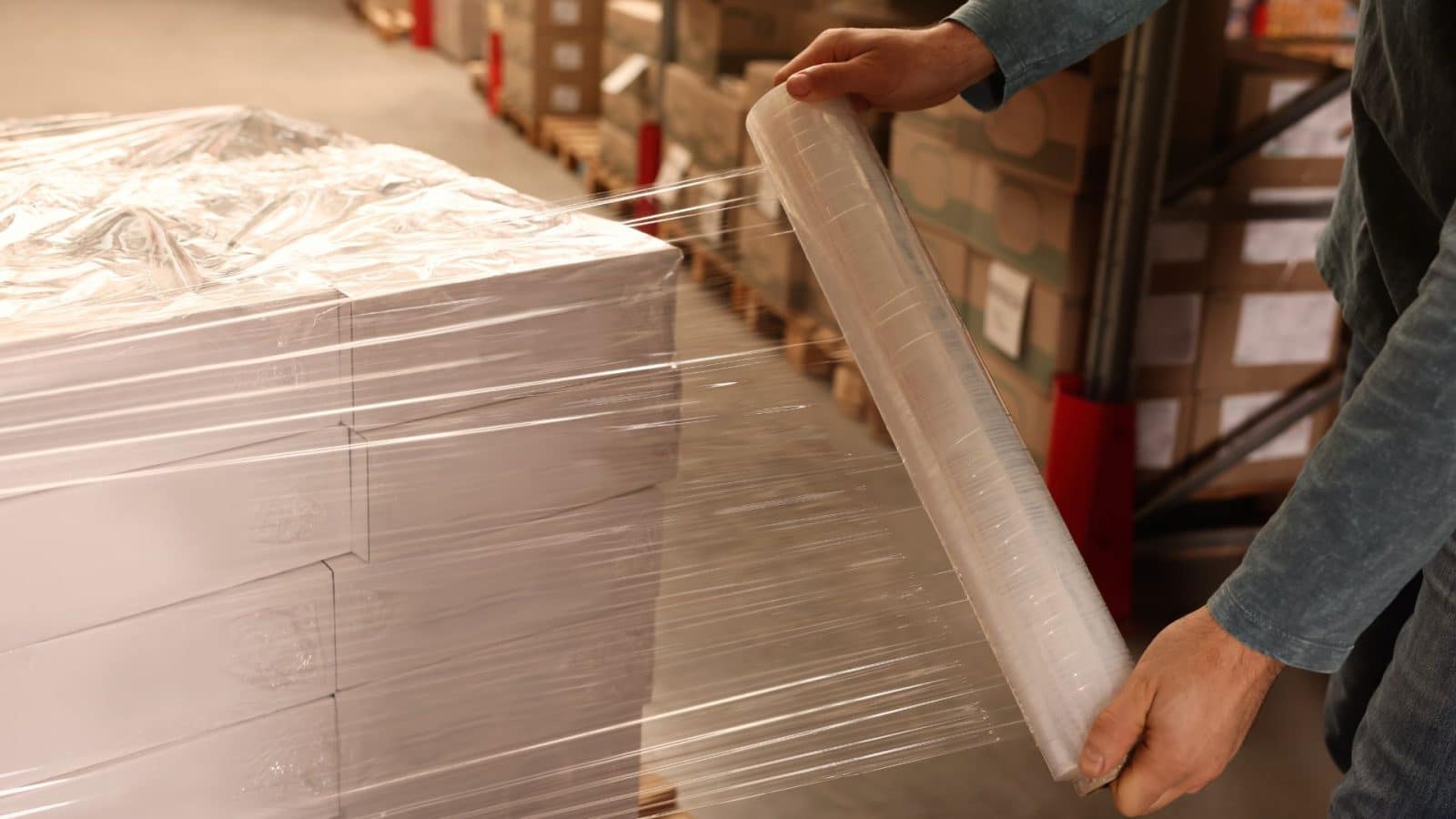
Hand wrapping and machine wrapping require completely different film characteristics. Hand wrap typically comes in lighter gauges (60-80) with easy-unwind properties and comfortable handles, while machine wrap uses heavier films (80-120 gauge) designed for consistent application at high speeds. Machine operators can achieve pre-stretch ratios of 200 to 250 percent, dramatically reducing material costs per load. Converting from hand to machine wrapping often pays for itself within months through material savings alone, especially for operations wrapping more than 20 pallets daily.
Assess Environmental Conditions
Temperature fluctuations and humidity levels have a significant impact on stretch wrap performance. Cold storage applications require specialized films that remain flexible at sub-zero temperatures, preventing brittleness and cracking. High-humidity environments demand wrap with superior moisture barrier properties to prevent condensation damage. UV-resistant formulations become necessary for items stored outdoors or in areas with intense lighting. Food-grade facilities require FDA-approved films that won’t contaminate products, while chemical storage necessitates wraps that resist specific solvents and corrosive substances.
Make the Right Choice Today
Selecting optimal stretch wrap involves balancing load requirements, application method, and environmental factors against your budget constraints. Start by honestly evaluating your heaviest, most challenging loads—if your current wrap handles those successfully, lighter applications will pose no problems. The right stretch wrap transforms packaging from a necessary expense into a competitive advantage that protects your reputation and bottom line.
Recommended reading: How to Incorporate Smart Packaging Technology