
An emergency pantry offers security during unexpected events, yet building one can feel wasteful. Traditional advice suggests buying bulk items that often expire before use. However, with thoughtful planning, you can make a reserve that aligns with a more resourceful lifestyle.
Keep reading for eight tips on building a sustainable emergency pantry that minimizes waste and keeps supplies fresh. Follow these suggestions to prepare for the unexpected without sacrificing your values.
Inventory Your Current Stock
Before making any purchases, inspect your cupboards. You probably already have many items suitable for an emergency food stash. Make a list of what you own, including expiration dates. This way, you avoid buying duplicates, and you’re encouraged to consume food before it expires.
Practice First-In, First-Out
Set up a rotation system for your pantry items. When adding new supplies, put them behind the older stock. This approach, known as “First-In, First-Out” (FIFO), promotes using food in the order it was bought. Regularly rotating your stock helps keep your supplies fresh and reduces the risk of items expiring. Develop the habit of using your pantry first before going to the grocery store.
Focus on Multi-Purpose Ingredients
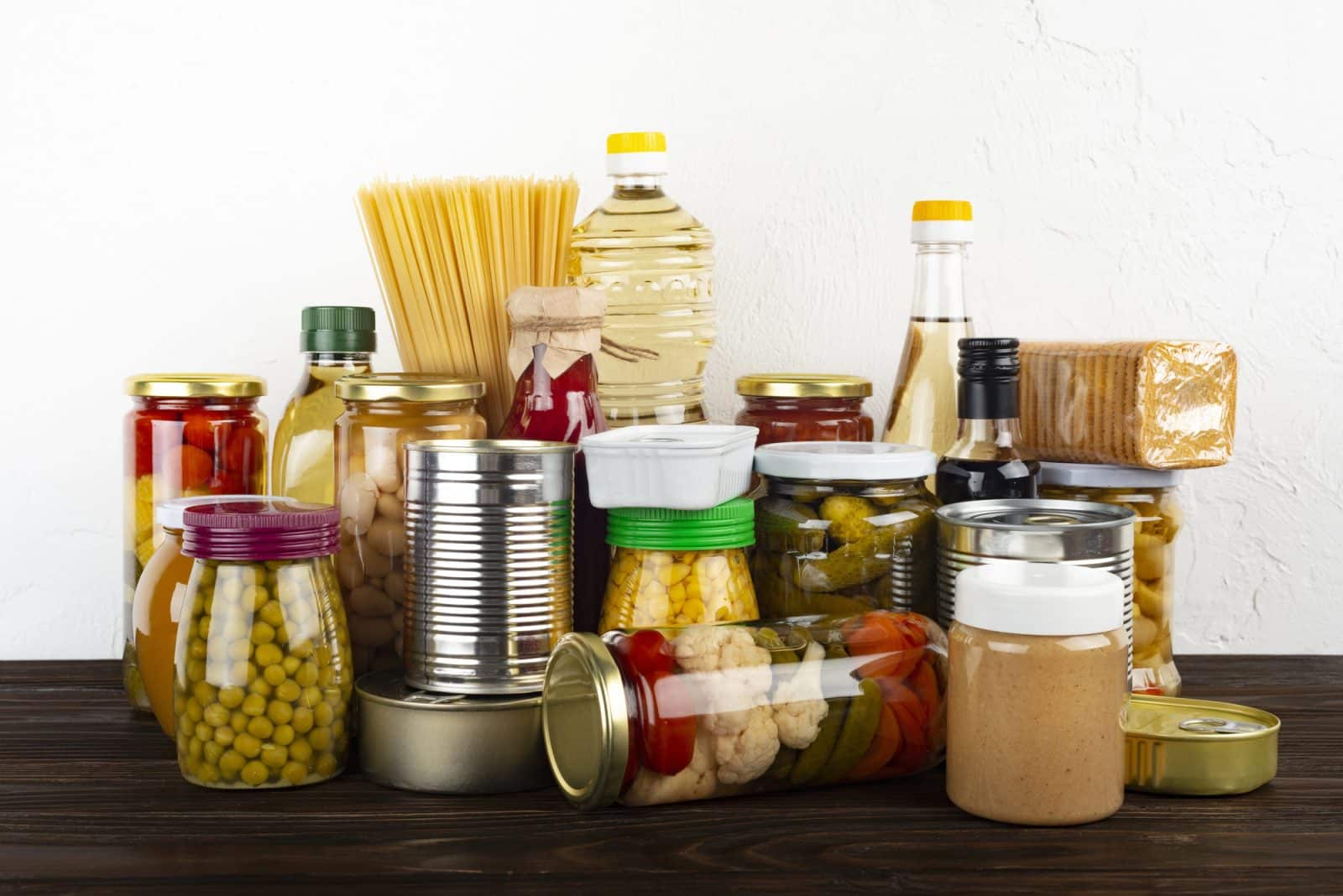
Fill your pantry with versatile staples such as rice, beans, oats, flour, and pasta, which serve as the base for many meals. These foods are easy to store and offer flexibility. Incorporating ingredients you already use regularly helps seamlessly integrate your emergency supply into daily routines, making rotation simple and natural.
Preserve Your Own Food
Home food preservation gives you control over what goes into your food and how it’s packaged. Methods like canning, dehydrating, and freeze-drying extend the life of fresh produce and reduce food waste. If you have a garden, preserving your harvest allows you to enjoy it throughout the year. Learning the difference between a freeze dryer and a dehydrator can help you choose the best preservation method for your needs.
Choose Long-Lasting Foods You Enjoy
Your emergency pantry should contain food that you and your family genuinely enjoy eating. Storing items nobody enjoys leads to waste. Focus on shelf-stable versions of your favorite meals and snacks.
- Canned soups, vegetables, and fruits
- Dried pasta and sauces
- Nut butters and jams
- Crackers and cereals
- Dried fruits and nuts
Having familiar, comforting foods on hand makes a stressful situation a little easier to manage.
Prioritize Water Storage
Access to clean drinking water is paramount in any emergency. Store at least one gallon of water per person per day, for a minimum of three days. You can buy commercially bottled water or store tap water in clean, food-grade containers. Water filters and purification tablets also serve as excellent backup options.
Reduce Packaging Waste
When possible, buy in bulk to reduce packaging waste. Items like grains, beans, and spices often come in bulk bins, allowing you to use your own reusable containers. This approach reduces plastic waste and can save you money. For items that require packaging, look for options that are recyclable or compostable.
Re-evaluate Your Pantry Annually
Set a calendar reminder to review your emergency pantry at least once a year. Check expiration dates, test your supplies, and identify any gaps in your plan. This annual check-up ensures your pantry remains ready for any situation. Following these tips for creating a sustainable emergency pantry helps you build a practical and responsible food supply.
Recommended: What Resources Are There for Public Emergency Response?