




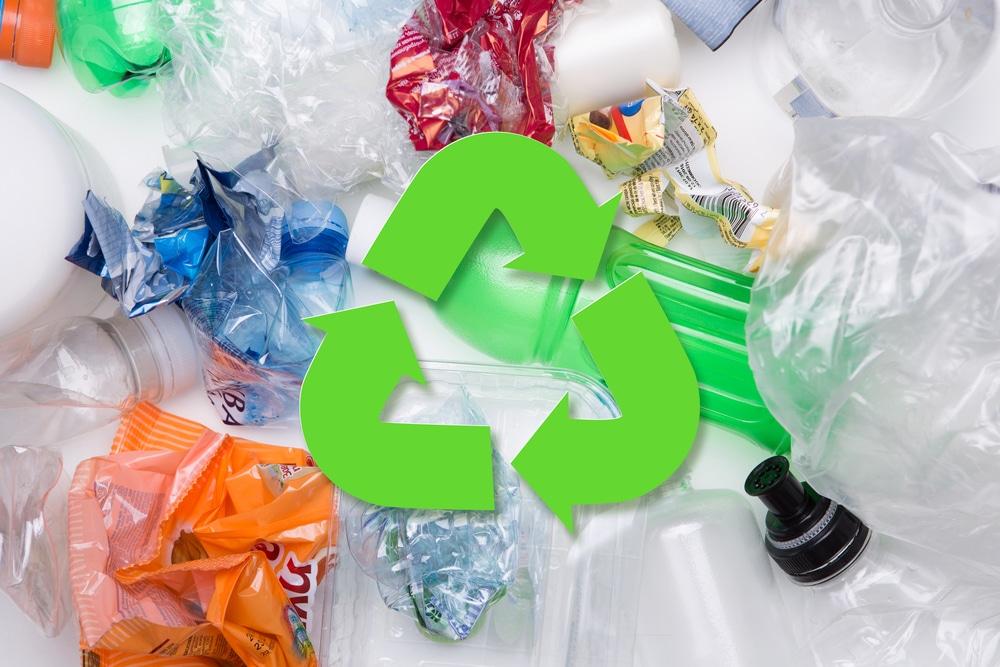
Huge strides are moving forward to better the planet every day. We all know how plastic can harm our planet, but there are surprising ways it can help. Read more about the pros and cons of plastic on the environment.
Pros
Some Plastics and Polymers Are Biodegradable
Biodegradable plastics are fantastic. Manufacturers create them from plant materials so that they will degrade over time. Polymers and biodegradable plastics are both good options, but only time will tell which one is best. The type of plastic used in fabrication matters to our planet’s health.
Some Plastics Are Long-Lasting
There are different grades of plastics just as there are different types of wood products. When we examine the best long-lasting plastics, a great example is PVC. It can last up to and even longer than one hundred years without any decomposition. So, not all plants decomposable. This is great for things like construction and building materials because they hold up so well.
Cons
Environmental Pollution
With our oceans and landfills filled with plastic daily, it’s obvious the direction we’re headed. At some point you have to ask yourself, can we possibly keep this production going?
Non-Renewable Nature
While we look for a solution to the pollution, rainforests and ecosystems struggle with all the foreign substances humans dump onto them. This has created a systemic pandemic in of itself. We can’t fix these problems overnight, if at all. The cost of these products comes at a steep price.
Conclusion
As the world becomes more aware of plastic’s impact on the environment, scientists are working hard to make plastic less harmful. New solutions to manage our reliance on plastic emerge regularly! So, there is a lot to look forward to if we keep thinking positively. We have discovered the pros and cons that come from plastic on the environment, so now it’s up to us to make sure we use this knowledge to save our planet.








Leave a comment